I was born on the prairie. I just had to find my way back to it.
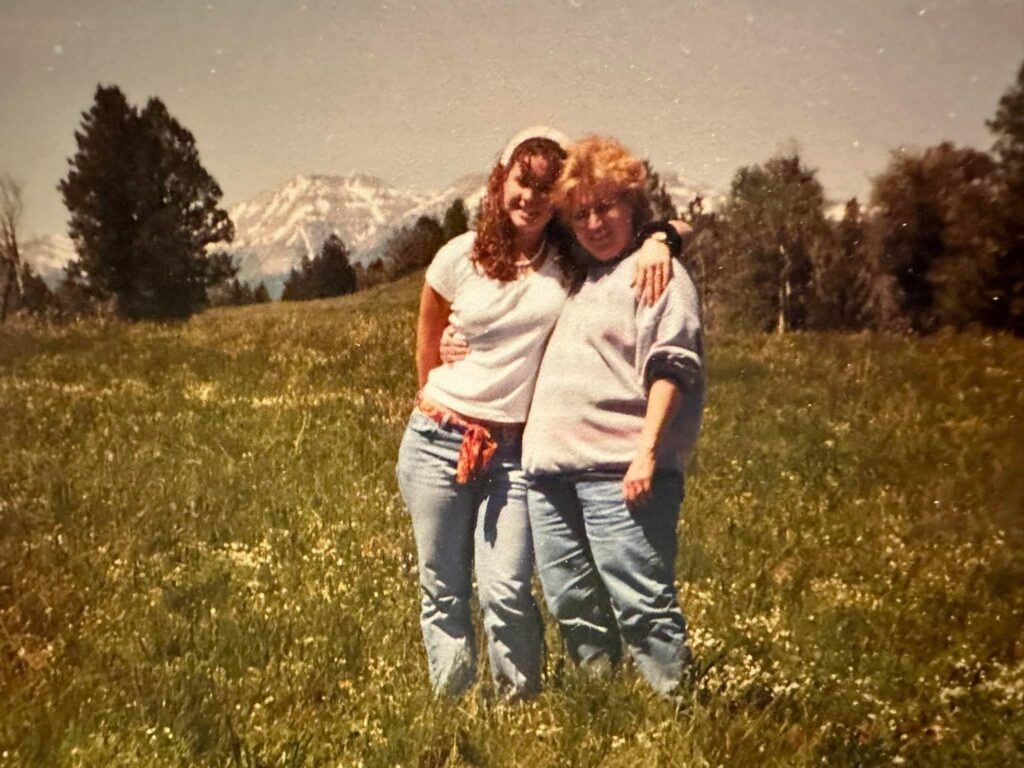
I grew up in the prairie state
I was born and raised in Oregon, Illinois — the kind of kid who spent more time outside than in. I had four state parks to wander as a child, and I wandered all of them. On a bike. On foot. Into every field and forest I could find.
My father was part of a local Pheasants Forever chapter. He took me along to conservation easements and prairie restorations across northern Illinois. I helped reseed parts of Nachusa Grasslands as an elementary student — 4,000 acres of restored prairie that today supports a herd of 100 bison. Watching degraded land come back to life planted something in me that never left.
Prairies are a glimpse into the past. A time when we were more connected to the land. If you have ever stood in a true remnant prairie, the wildlife there is unlike anything else. You feel it.
That feeling became my life’s work.
The Navy brought me to Texas
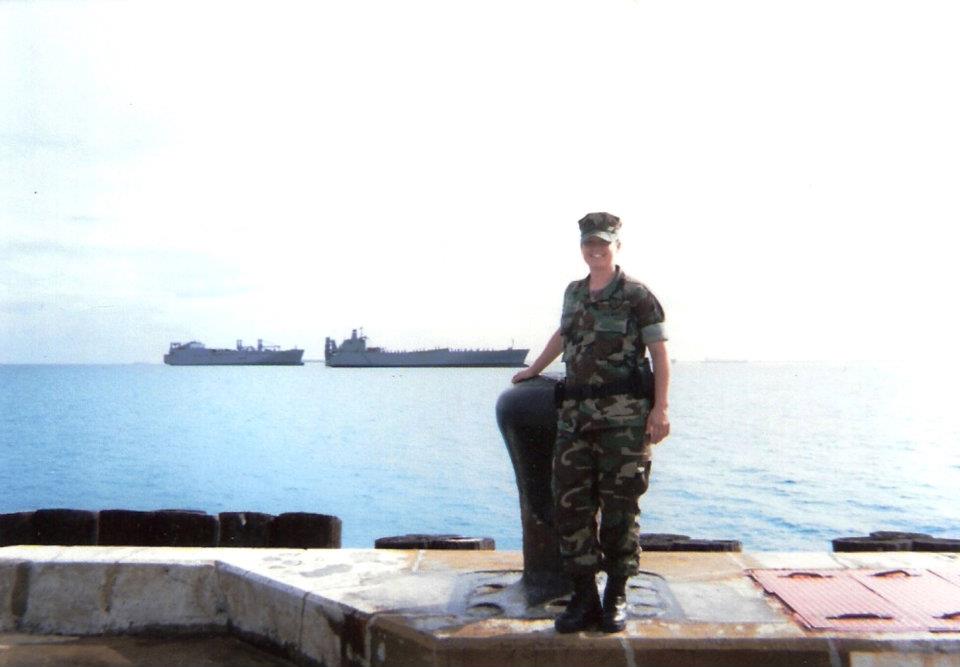
Stationed at Diego Garcia, British Indian Ocean Territory. United States Navy.
After military service in the United States Navy, I landed in Corpus Christi, Texas. South Texas became home. The landscape was different from Illinois — drier, hotter, brasher — but the same fundamental problem existed here: the native plants were disappearing, and most people had no idea.
I spent years working for a large commercial grower. I loved horticulture. But something was missing. We were growing plants, not building prairies. Nobody was showcasing what actually belonged here. The big box stores were full of tropical milkweed treated with systemic pesticides, and the zizotes milkweed growing wild in every South Texas lawn was being mowed over every week without a second thought.
I stopped asking permission to do what I actually believed in.
I built Tejas Prairie from scratch
In 2022, I left a stable career with no savings and no business plan and founded Tejas Prairie in Kingsville, Texas. Within two years it became a local source for native plants in South Texas.
In 2023, I partnered with the USDA and became the first female veteran-owned native plant farm in Texas. With that support, I purchased 22 acres of former ranch land right off Highway 77 in Kingsville — located in the Central Flyway migration path of the Monarch Butterfly. That land is being converted into a natural prairie for native plant and seed production.
I finally got my prairie.
Part of that land is now officially registered as a Monarch Butterfly Habitat through the Conservation Stewardship Program with NRCS. The name Tejas came from my husband’s Native American heritage — the Spanish spelling of the Caddo word meaning “Friend” or “Ally,” the name the original people of this state were called. It seemed right to name a company trying to restore native habitats after them.
Then the USDA grants were defunded in 2025. My research, conducted in partnership with federal agencies since 2023, was labeled a DEI initiative and shut down. The funding disappeared.
The prairie is still here. And so am I. Losing the funding didn’t end the mission — it just changed the medium. That’s how this site exists.
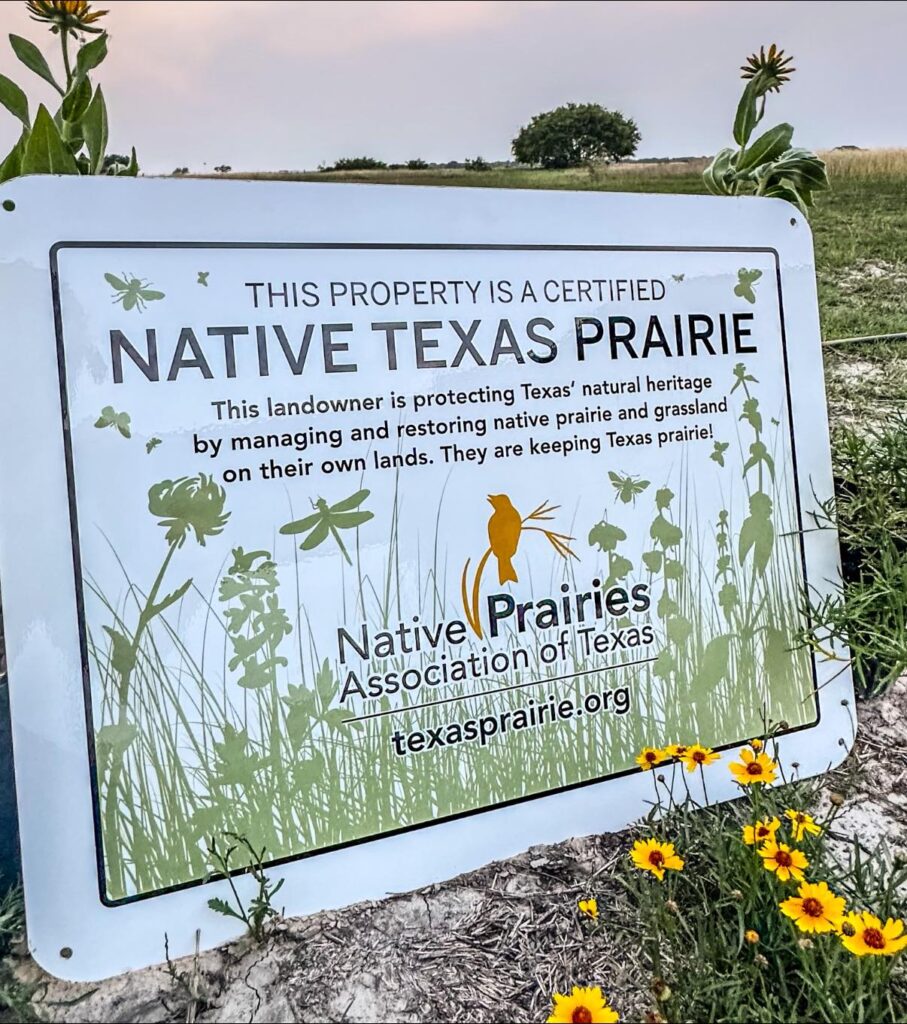
Native Texas Prairie designation for Tejas Prairie from Native Prairies Association of Texas (NPAT).
Dirt Simple Living is where the voice goes now
Tejas Prairie taught me that the plants were never the only problem. The information gap was.
People want to do right by their land. They just don’t know what belongs here, what they’re actually buying at the nursery, or what is happening to the water, the soil, and the open spaces around them. That information exists — buried in research papers, locked behind paywalls, scattered across agencies most people have never heard of.
Dirt Simple Living puts it in plain language.
This is not influencer content. It is sourced, research-informed writing shared honestly by someone who has grown the plants, lost the funding, fought the system, and kept going anyway.
Native plants. Less chemical. More wildlife. Land, water, and what is actually happening to both. Written from 22 acres in South Texas by a Navy veteran who learned to work with the land instead of against it.
Start where you are. Everything else grows from there.
By the numbers
- 10,000+ native plants restored to South Texas soil
- 500K+ reach across native plant communities
- 5 years working in South Texas native horticulture
- 22 acres of former ranch land being converted to native prairie
- 1 first female veteran-owned native plant farm in Texas