If you landed here wondering where to even begin with native plants, you’re in the right place.
This page is designed for two kinds of people: the complete beginner who just heard the term “native plant” for the first time, and the person who already has a yard full of stuff that isn’t working and wants to do better.
Either way, Step 1 is the same.
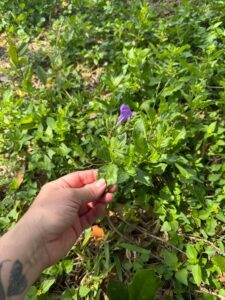
This is wild Petunia (Ruellia humilis)
Start where you are.
What is a native plant?
A native plant is one that evolved in a specific region over thousands of years alongside the local insects, birds, soil microbes, and water systems. It doesn’t need you to coddle it once it’s established, because it already knows how to live here. It feeds your soil instead of depleting it. It supports pollinators that exotic ornamentals simply cannot.
The opposite of a native plant isn’t just an exotic one. It’s a plant that takes without giving back.
Before you buy a single plant, ask yourself these questions
Most people make the mistake of buying plants before they understand their land. That’s how you end up with dead plants, wasted money, and the wrong idea that “native plants don’t work.” They work. They just need to be matched to the right place.
Here’s what you need to figure out first:
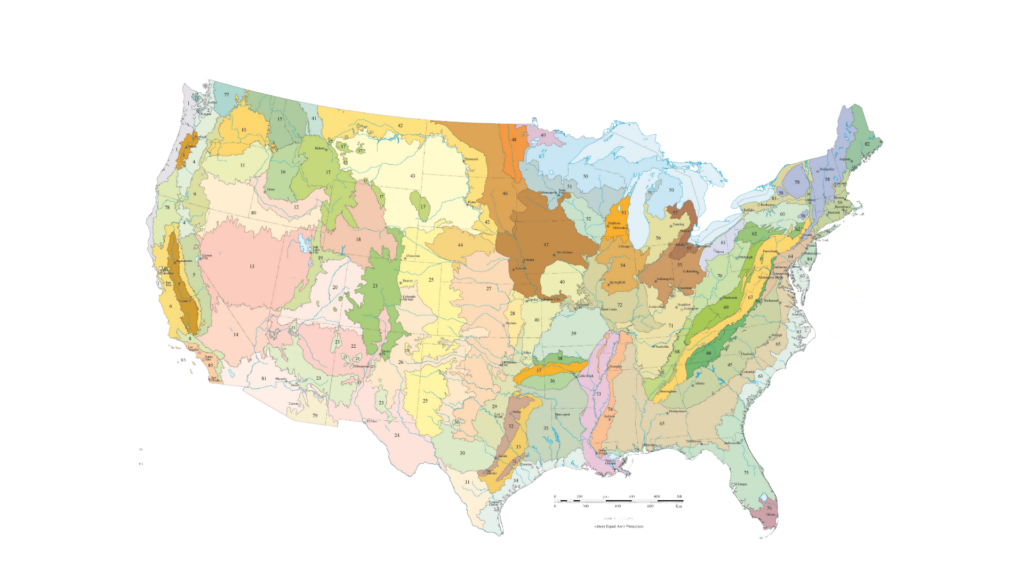
What ecoregion are you in?
Native plants are regional. A plant native to the Texas is not going to be native to the coast of California too. Before you choose anything, you need to know your ecoregion. Enter your ZIP code here and you’ll get your ecoregion plus a starter list of native plants for your area.
This is not optional. It’s the foundation of everything else.
What are your living conditions?
Apartment with a balcony? Small city lot? A home on a half-acre? Working acreage? It doesn’t matter. What’s amazing about native plants is that depending on your situation, you can build your own ecosystem at whatever scale you have. A single container of native milkweed on a balcony matters. So does 20 acres of restored coastal prairie. Start where you are.
What’s your goal?
Pollinators? Butterflies? Birds? Drought tolerance? Low maintenance? Erosion control? All of the above? Your goal shapes every choice that comes after it.
What you need to know about your soil before anything else
And no, this does not mean you need to pay for a soil test or buy fertilizers. Not yet, and maybe not ever.
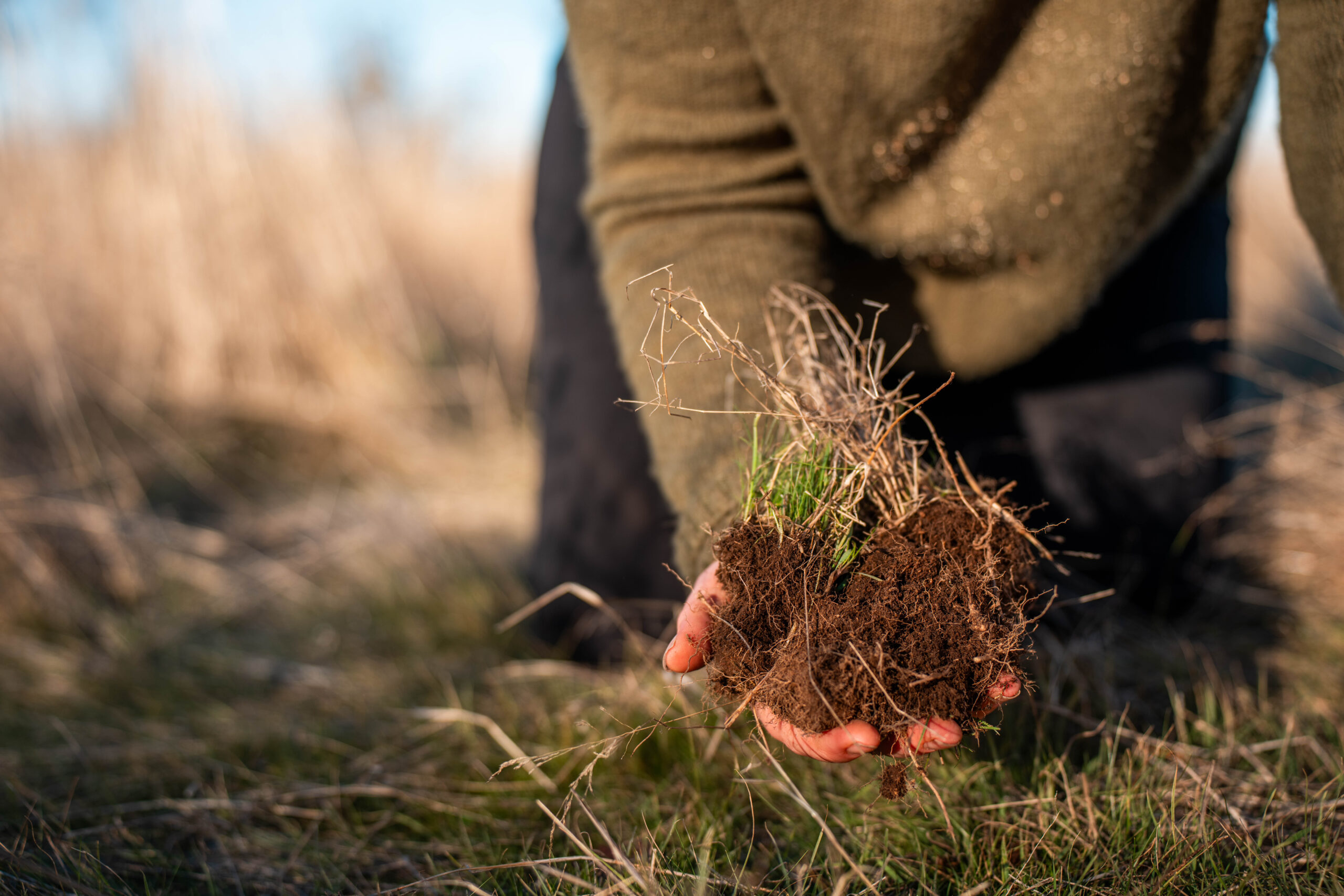
Dig a few holes in the areas where you’re thinking about adding plants. Just look at what you’re working with.
If you’re taking over a lawn that was covered in exotic grass, your soil is probably struggling. Exotic turf grasses do not feed the soil the way native plants do. Decades of synthetic fertilizers, herbicides, and foot traffic compact the ground and strip out the microbial life that makes soil actually function. You may be starting from a deficit, and that’s okay. You just need to know it.
If you’re moving into a new home, you’re inheriting someone else’s decisions. That’s not always a bad thing, but it’s worth understanding what you’ve got before you start planting. I’ll share some tips below on what to look for, including a few tell-tale signs when you’re house shopping that might make you think twice about a property before you ever close on it.
Already have a yard and trying to make it better?
I get it. I started late too, well, kind of.
I was in my first home before I even started paying attention to this, and it wasn’t until my third home that I actually crossed the 80% native threshold. It is a learning process. It doesn’t happen overnight, and it’s not supposed to. Every season teaches you something. Every plant that fails tells you something your soil or sun or water situation was already trying to say.
You don’t have to rip everything out at once. Start with one bed. One corner. One ugly patch of bare dirt you don’t know what to do with. That’s enough.
The 5 variables that shape every native landscaping decision
Before you choose a single plant, get clear on these five things. They apply whether you’re working a five-gallon pot or fifty acres.
1. Soil health What’s currently in your ground? Is it compacted? Sandy? Clay? Did it have a lawn on it? Native plants can handle a wide range of conditions, but you need to know what you’re starting with.
2. Water needs How does water move across your property? Where does it pool? Where does it run off fast? Where is it always dry? Match your plants to what the land already does with water, not what you wish it would do.
3. Sun exposure Full sun all day? Deep shade? Shifting patterns depending on the season? This matters more than most people think, and it changes depending on where you are in the country.
4. Environmental conditions Are you dealing with erosion? Flooding? Cracked, parched soil in summer? Salty air near the coast? These aren’t problems to solve before you plant. They’re variables that tell you which plants belong there.
5. Your goals Drought tolerance. Pollinator habitat. Butterfly host plants. Low maintenance. Bird cover. Screening for privacy. Know what you’re working toward, because native plants can get you there. You just have to point them in the right direction.
This is what you’ll find here
All stages. All starting points. Whether you’re on a balcony or working acreage, whether your soil is dead from a decade of St. Augustine and Roundup or you’re starting with a blank slate, this site is built to meet you where you are and give you what you actually need to move forward.
No gatekeeping. No expensive inputs. No perfection required.
If you want to change, start here.
-
The Plant That Started It All: Meet Zizotes Milkweed
I don’t know that I’ve ever loved a plant this much. Jump To How I Found It I found…